The NDIS organises daily living support into two distinct categories: hands-on care (Core Supports) and skills training (Capacity Building). Understanding how these budgets work ensures you get the exact help you need, whether that is someone doing the tasks for you or teaching you how to do them yourself.
1. Assistance with Daily Life (Core Supports)This funding pays for a support worker to complete or assist with everyday routines that you cannot manage safely by yourself due to your disability.
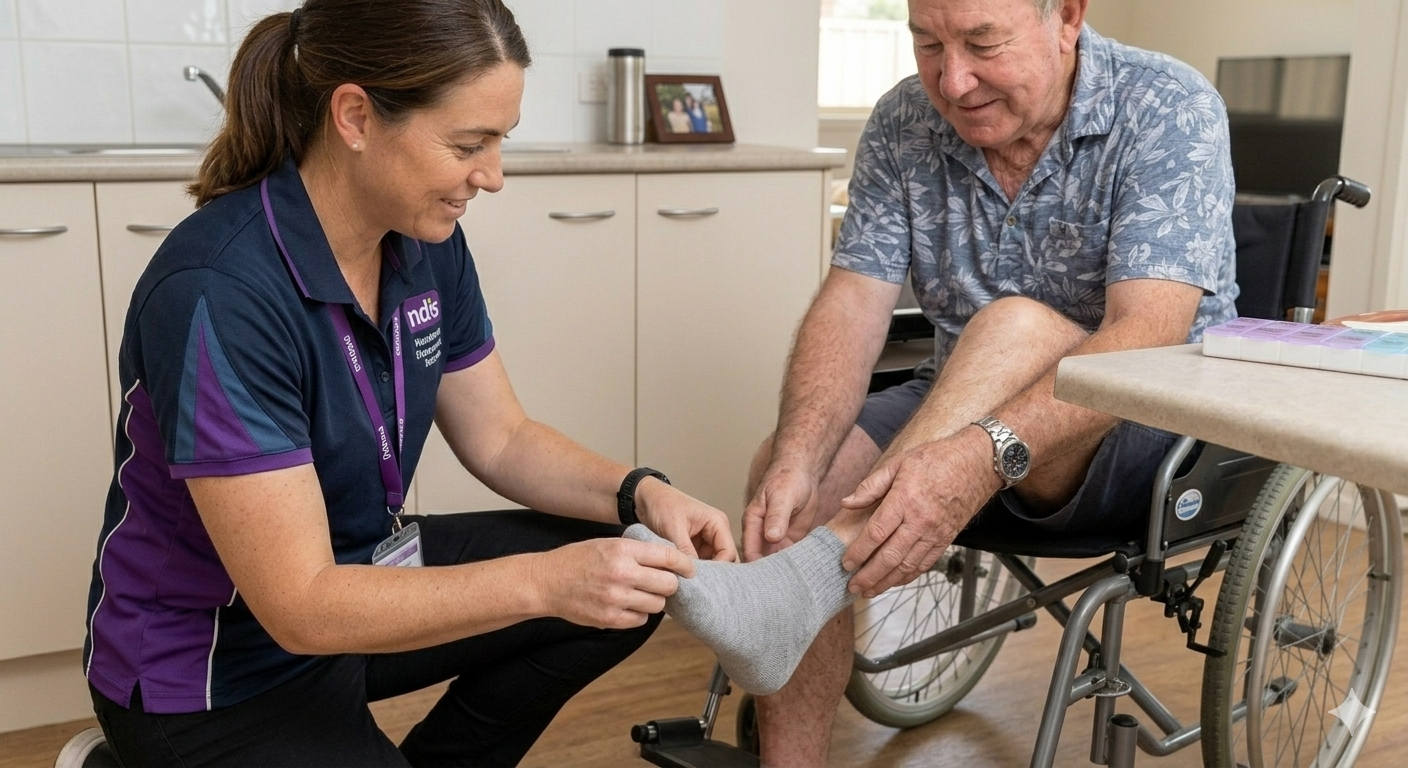
Personal Care Tasks: Sensitive, dignified assistance with showering, bathing, getting dressed, grooming, toileting, and bowel management.
Domestic Help: Support worker handling everyday chores around your house, including vacuuming, mopping floors, doing laundry, ironing, and washing dishes.
Meal Preparation: Assistance with menu planning, physical grocery shopping, cooking nutritious meals, and organising food storage.
Mobility Support: Physical assistance transferring safely in and out of bed, moving around your home, or using adaptive equipment like hoists.
2. Development of Daily Life Skills (Capacity Building)This funding falls under your Improved Daily Living budget. Rather than doing the chore for you, this pays for a support worker, mentor, or therapist to coach you so you can perform these life skills independently.
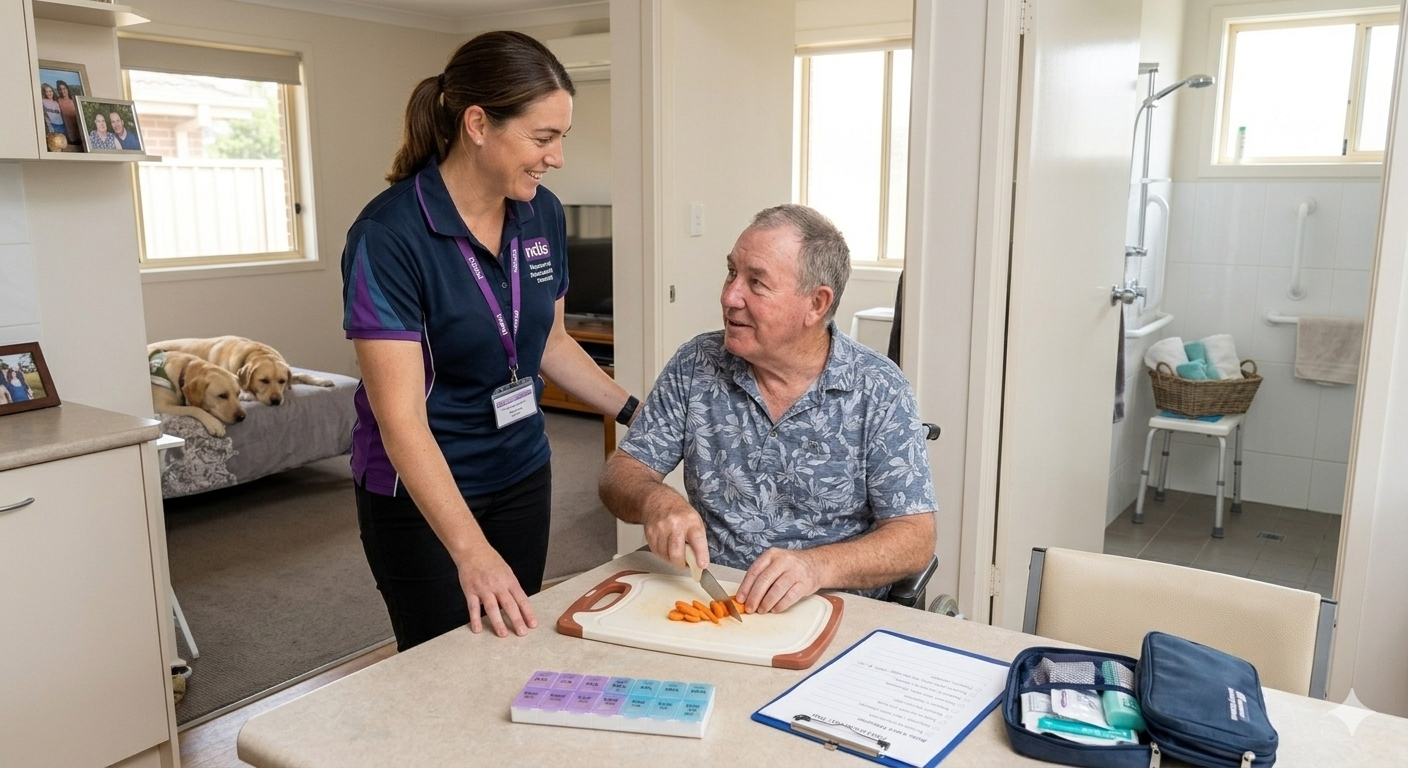
Kitchen Confidence: Step-by-step training to chop food safely, follow recipes, manage food safety, and operate household appliances.
Financial Literacy: Individualised coaching on how to check your bank balances online, set up simple budgets, pay bills securely, and avoid online scams.
Travel Independence: Practicing how to read bus and train timetables, plan routes, tap travel cards, and navigate your local community safely.
Digital Skills: Gaining confidence using smartphones, computers, checking emails, and managing online medical or support portals.