Participation in Community, Social and Civic Events
Overview

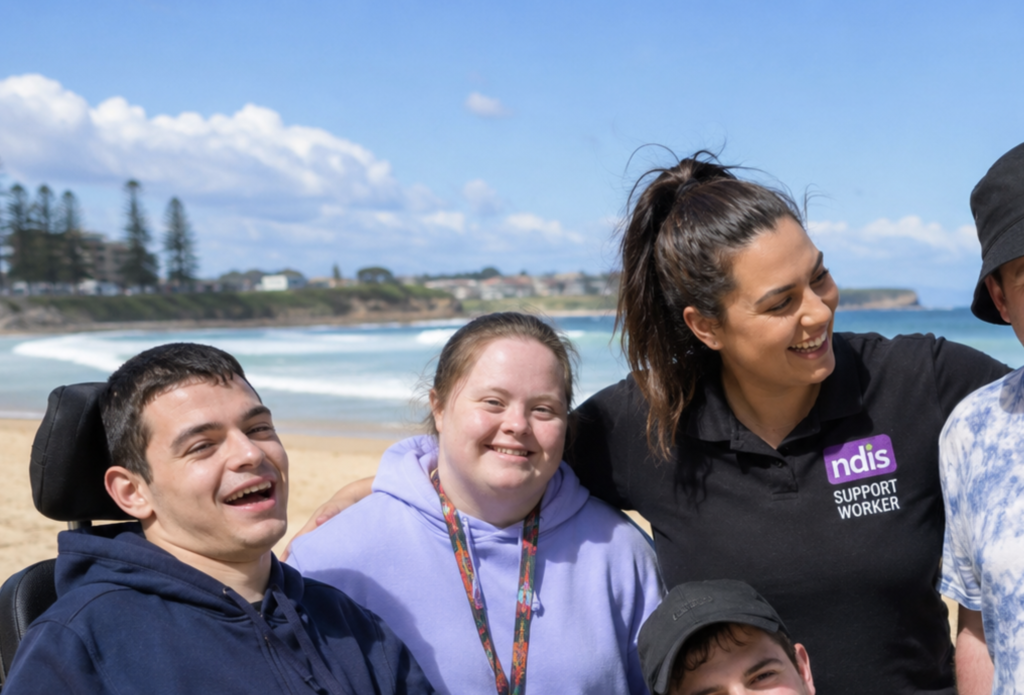
ANS hold monthly FREE events in Partnership with Canterbury Bankstown Council. Click here to be redirected to our partnership project:
Participation in Community, Social and Civic Activities is a critical funding category under Australia’s National Disability Insurance Scheme (NDIS) designed to empower individuals, build independence, and reduce social isolation. It bridges the gap between passive attendance and meaningful contribution, allowing participants to lead a fulfilling life within their local neighborhoods.
The framework splits your engagement into three core categories:
- Social Participation This centers around personal enjoyment, forming meaningful peer connections, and building a reliable social network.Hobby Classes: Enrolling in pottery, photography, cooking, or musical instrument courses.Social Clubs: Finding a sense of belonging in local book clubs, board game meetups, or trivia nights.Entertainment Outings: Planning a trip to see a film at a cinema, a theatre performance, or a live music concert.Recreation Gatherings: Attending relaxed events such as neighborhood picnics or casual coffee catch-ups.
- Community ParticipationThis covers active roles in everyday public life, focused heavily on personal development, physical health, and skill-building.Sporting Clubs: Joining local swimming squads, walking groups, or disability-specific sports teams.Public Facility Visits: Utilizing local library programs, exploring regional museums, or visiting local parks.Independent Skills: Practicing public transport navigation, learning to manage money, or managing busy shopping malls.Cultural Festivals: Embracing local culture by attending major neighborhood festivals, arts expos, or regional markets.
- Civic ParticipationThis emphasizes taking an active, formal role in shaping, improving, and contributing to your broader society.Volunteering Your Time: Giving back to local charities, looking after animals at a shelter, or working in a community garden.Democratic Action: Attending civic education workshops, exercising your right to vote, or writing letters to local parliament members.Local Committees: Participating in local decision-making bodies like neighborhood watch groups or school boards.Community Forums: Taking part in council public town halls or advocacy meetings to voice local needs
Categories
How Can we Help You?
Reach out anytime – we’re here to help you.